For many industrial automation teams, pneumatic cylinders are the unsung heroes of the machine—until the days when production slows down, accuracy problems occur, or maintenance teams find themselves replacing seal failures one too many times. Then, the true cost of component quality can no longer be ignored, or explained away.
However, despite their seemingly simple mechanical attributes, the internal design and technology, composition, and precision of pneumatic cylinders have a decisive influence on their ultimate performance. For system integrators, original equipment manufacturers, and maintenance experts, a decision to procure a premium pneumatic cylinder is not merely a component-level specification; it is a business decision that has a direct bearing on productivity, reliability, power consumption, and overall costs.
This article will discuss the importance of pneumatic cylinder quality, how it impacts the performance of systems, and what must be taken into account when choosing the pneumatic cylinder for demanding applications.
What Is a Pneumatic Cylinder?
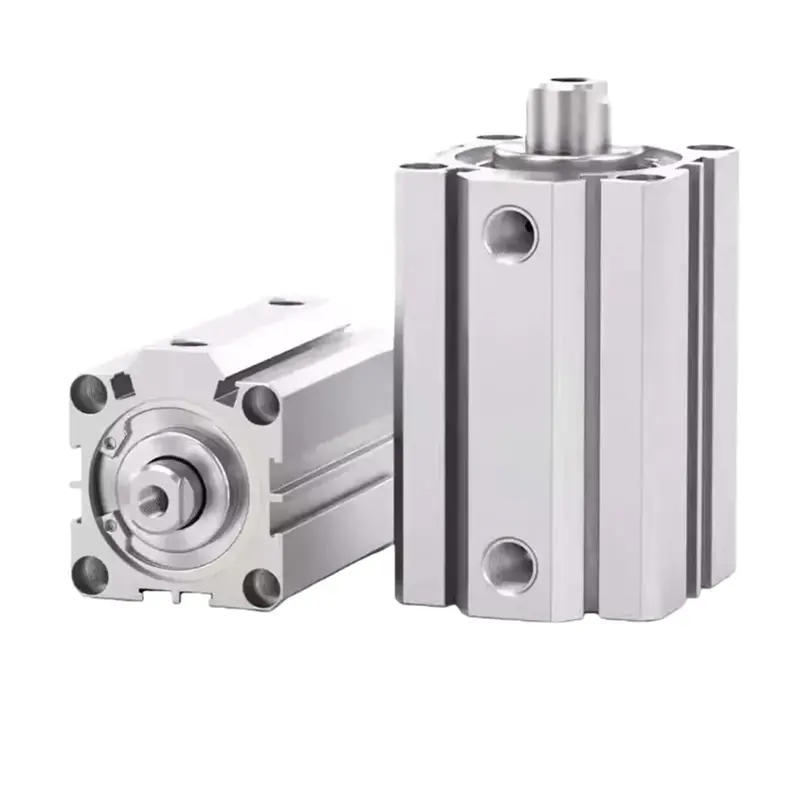
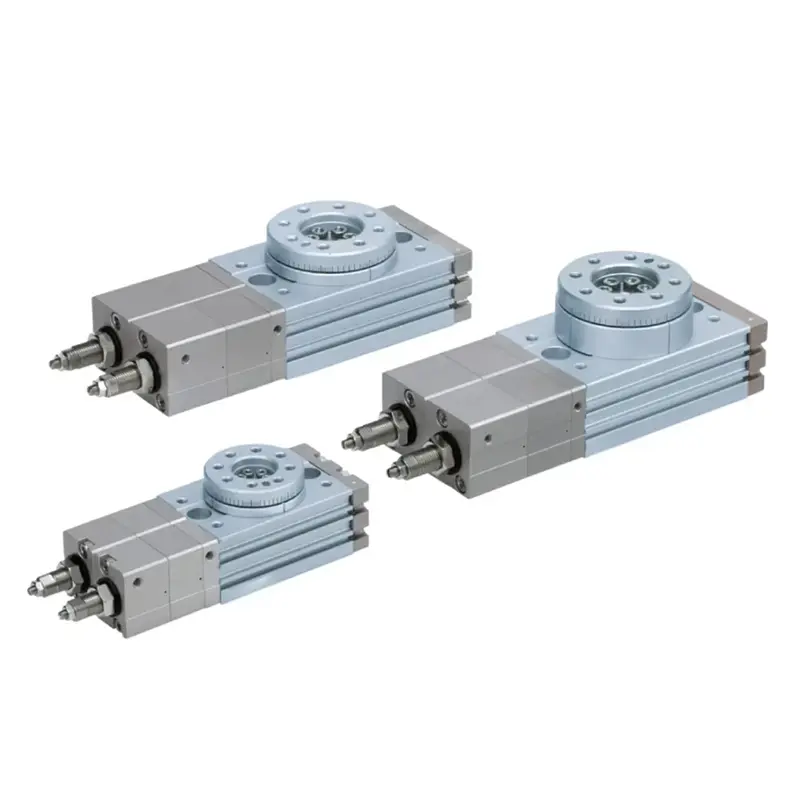
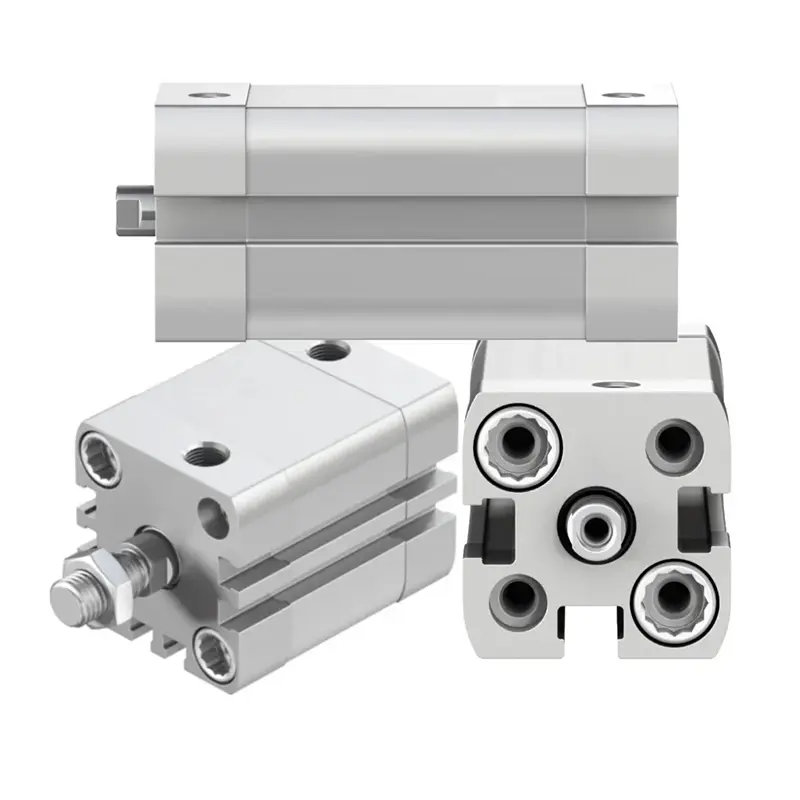
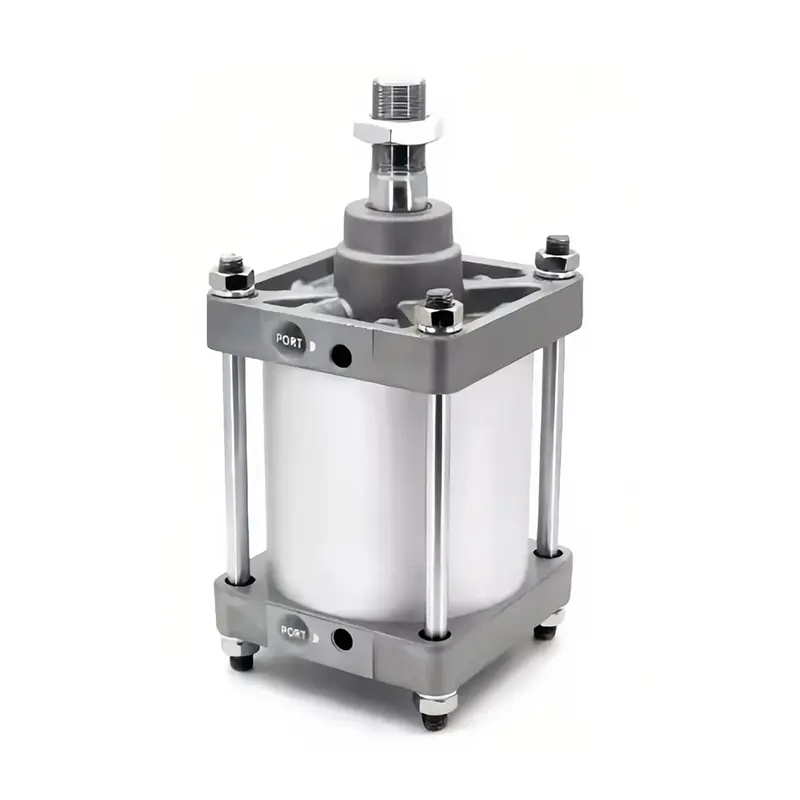
A pneumatic cylinder, also known as an air cylinder, is a linear actuator that converts compressed air energy into mechanical motion. It is widely used in industrial automation to:
- Push, pull, lift, or clamp loads
- Automate repetitive production tasks
- Provide fast, clean, and cost-effective motion control
A typical pneumatic cylinder consists of:
- Cylinder barrel (tube)
- Piston and piston rod
- End caps
- Seals and guide bearings
- Cushioning mechanisms
While many cylinders look similar from the outside, internal engineering quality can vary significantly. These hidden differences determine how reliably a cylinder performs after thousands—or millions—of operating cycles.
Why Quality Directly Affects Long-Term Performance
1. Durability in High-Cycle Operation
Alt: Pneumatic cylinder operating on a high-cycle industrial production line
In industrial environments, pneumatic cylinders often run continuously, performing millions of cycles each year. High-quality cylinders are engineered to withstand:
- Continuous reciprocating motion
- Side loads and vibration
- Pressure fluctuations
- Harsh conditions such as dust, moisture, or oil mist
Premium pneumatic cylinders typically use:
- Hard-anodized aluminum or stainless steel barrels
- Chrome-plated or stainless steel piston rods
- Precision-machined end covers and internal components
From an engineering perspective, wear resistance and seal integrity are among the most critical factors influencing actuator service life. Inferior materials or loose tolerances often result in tube deformation, rod scoring, and premature seal failure—leading to unplanned downtime and frequent replacements.
2. Seal Quality Determines Efficiency and Stability
Alt: Pneumatic cylinder seal structure and air-tight design
The sealing system is the core of any pneumatic cylinder. High-quality cylinders use engineered seal designs to:
- Minimize compressed air leakage
- Maintain consistent output force
- Reduce friction and stick-slip motion
- Improve motion smoothness at low speeds
Low-quality seals commonly cause:
- Gradual loss of thrust
- Inconsistent positioning accuracy
- Increased air consumption
- Shortened maintenance intervals
Leading pneumatic engineering practices focus on optimized seal geometry and carefully selected materials such as NBR, PU, or PTFE to balance durability, friction, and sealing efficiency. This design philosophy is critical in applications where stable performance over long operating periods is required.
3. Precision Manufacturing Improves Motion Accuracy
In automated systems, repeatability and alignment are just as important as force output.
High-quality pneumatic cylinders benefit from:
- Tight machining tolerances
- Accurate piston-to-bore concentricity
- Properly supported rod bearings
These factors result in:
- Smooth and predictable linear motion
- Reduced side-load wear
- Lower vibration and noise levels
- Improved positioning consistency
By contrast, low-cost cylinders with poor internal alignment often suffer from uneven wear, unstable motion, and shortened service life—especially in high-speed pick-and-place, packaging, or assembly operations.
Applications Where Cylinder Quality Is Critical
Alt: Pneumatic cylinders used in automated packaging and assembly lines
High-quality pneumatic cylinders are particularly important in the following industries:
Industrial Automation & Robotics
- High-speed operation
- Tight repeatability requirements
- Long continuous running hours
Manufacturing & Assembly Lines
- Continuous production schedules
- Minimal tolerance for downtime
- Predictable maintenance planning
Food & Beverage Equipment
- Clean operation
- Corrosion resistance
- Compliance with hygiene standards
Electronics & Semiconductor Manufacturing
- Micro-positioning stability
- Low vibration
- Minimal particle generation
Automotive & Metal Processing
- Heavy loads
- Shock absorption
- Reliable cushioning performance
In these applications, actuator reliability directly influences overall equipment effectiveness (OEE) and production stability.
Why Quality Is Becoming More Important Than Ever
Alt: Smart factory using pneumatic automation components
Global manufacturing is increasingly moving toward:
- Smart factories
- Predictive maintenance strategies
- Energy-efficient production systems
Compressed air is one of the most expensive utilities in industrial environments. Air leakage, friction losses, and inefficient components significantly increase operating costs. High-quality pneumatic cylinders help reduce these losses by maintaining stable sealing performance and consistent motion over time.
As manufacturers focus more on lifecycle cost rather than initial purchase price, cylinder quality has become a key selection factor.
High-Quality vs. Low-Quality Pneumatic Cylinders
| Aspect | High-Quality Cylinder | Low-Quality Cylinder |
|---|---|---|
| Barrel Material | Precision aluminum / stainless steel | Thin aluminum or steel |
| Seal System | Engineered multi-stage seals | Basic rubber seals |
| Air Leakage | Minimal | Frequent |
| Cycle Life | Millions of cycles | Limited |
| Motion Stability | Smooth and repeatable | Jerky and inconsistent |
| Maintenance | Predictable and low | Frequent and unplanned |
| Total Cost | Lower over lifecycle | Higher over time |
Hidden Costs of Low-Quality Cylinders
While low-end pneumatic cylinders may reduce initial procurement cost, they often introduce hidden expenses such as:
- Increased compressed air consumption
- Higher maintenance labor costs
- Unexpected production downtime
- Shorter replacement cycles
Over the full equipment lifecycle, these costs frequently exceed the price difference between low- and high-quality cylinders.
Key Advantages of High-Quality Pneumatic Cylinders
High-quality cylinders typically offer:
- Improved cushioning design for shock absorption
- Stable performance under fluctuating loads
- Compatibility with ISO standards such as ISO 6431 and ISO 15552
- Reliable operation across a wide temperature range
While ISO standards ensure dimensional interchangeability, long-term performance still depends on material quality, machining precision, and internal design control.
How to Choose the Right Pneumatic Cylinder
When selecting a pneumatic cylinder, consider the following factors:
1. Operating Conditions
- Working pressure
- Ambient temperature
- Exposure to dust, moisture, or chemicals
2. Load and Stroke Requirements
- Required force output
- Stroke length
- Side-load tolerance
3. Mounting and Space Constraints
- ISO-standard mounting options
- Compact versus standard cylinder designs
4. Seal and Material Selection
- General industrial use
- Cleanroom or corrosive environments
5. Supplier Engineering Capability
- Manufacturing experience
- Quality control systems
- Application references and testing data
Focusing solely on price often increases long-term operational risk. Evaluating engineering details and lifecycle performance leads to more reliable automation systems.
Why CHDAC Emphasizes Quality Engineering
As a pneumatic components manufacturer, CHDAC approaches cylinder design from an application-engineering perspective rather than a catalog-only approach.
Design validation focuses on:
- Load behavior under real operating conditions
- Long-cycle seal wear testing
- Material stability under pressure and temperature variation
This ensures consistent performance not only at installation, but throughout the full service life of the equipment—meeting the expectations of OEMs and automation system integrators who prioritize reliability and stability.
FAQ
Does a higher-priced pneumatic cylinder always mean better quality?
Not necessarily. Quality should be evaluated based on materials, sealing design, machining precision, and lifecycle data—not price alone.
How long should a high-quality pneumatic cylinder last?
Under proper operating conditions, high-quality cylinders can operate for millions of cycles with minimal maintenance.
Can poor cylinder quality increase energy costs?
Yes. Air leakage and friction losses directly increase compressed air consumption and operating expenses.
Are ISO-standard cylinders more reliable?
ISO standards ensure interchangeability, not performance by default. Quality still depends on internal engineering and manufacturing control.
Is maintenance easier with high-quality cylinders?
Yes. Stable tolerances and predictable wear patterns reduce unplanned maintenance and downtime.
Final Thoughts
Choosing a high-quality pneumatic cylinder is not just about smooth motion today—it is about long-term stability, lower energy consumption, reduced downtime, and predictable lifecycle costs.
In modern industrial automation, where efficiency and reliability define competitiveness, investing in quality pneumatic components is a decision that delivers measurable returns over the entire lifespan of your equipment.