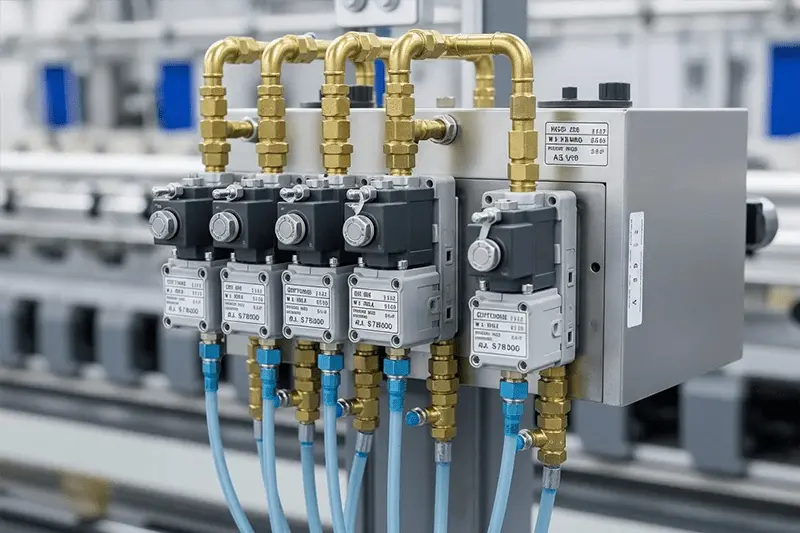
Solenoid valves play a critical role in the control of pneumatic, gas, water, and oil systems. These valves control the precise opening, direction, and/or shutting off of air, gas, water, and oil.
Unexpected downtime, unstable operation of machines, safety hazards, and production waste are the consequences of a malfunctioning solenoid valve. A small fault is likely to bring the whole automation system to a standstill, as is the case with real-time conditions.
Being aware that a solenoid valve is bad is essential for maintenance engineers, original equipment manufacturers, and integrators to identify faulty solenoid valves and prevent further problems with pneumatic cylinders, actuators, or compressors.
The guide covers common symptoms and causes of failure, testing techniques, and tips on changing them with real-life industrial examples in pneumatic devices.
What Is a Solenoid Valve?
It basically refers to the electromechanical device used in converting electrical energy to mechanical, which thereby helps in controlling the flow of air/fluid. A solenoid valve is usually an industrial gateway that comprises:
- Solenoid coil (electromagnetic actuator)
- Plunger or armature
- Valve body and sealant elements
- Orifice and return spring
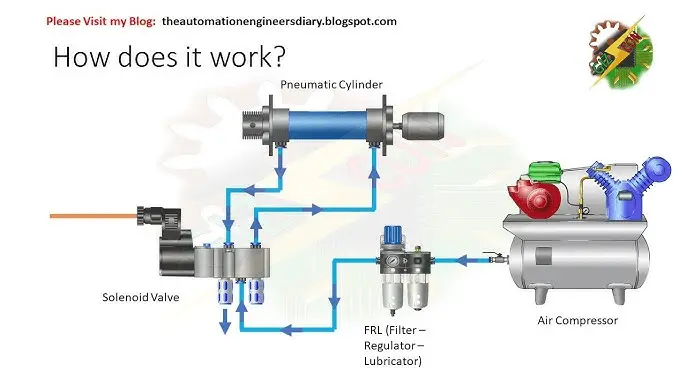
When powered, the coil energizes and creates a magnetic field that moves the plunger to open or close the valve port. When power is removed, the spring returns the valve to its default position.
Solenoid valves are used extremely in industrial automation, HVAC systems, water treatment, packaging machinery, and process control systems due to their fast response, compact size, and easy electrical control.
Common Symptoms That Indicate a Solenoid Valve Is Bad
1. Solenoid Valve Does Not Actuate at All
One of the most obvious signs of a faulty solenoid valve is no response when electrical power is applied.
Typical symptoms include:
- No clicking sound when energized
- No airflow or fluid movement
- Pneumatic cylinder or actuator does not move
In real maintenance scenarios, this often shows up as a cylinder that suddenly stops responding, even though the PLC output indicator is already on.
Possible causes:
- Burned or open solenoid coil
- No electrical supply or wiring fault
- Internal mechanical blockage inside the valve body
2. Intermittent or Unstable Operation
If the solenoid valve works sometimes but not consistently, it usually indicates early-stage failure.
Common signs:
- Random opening or closing
- Delayed response time
- Unstable pneumatic pressure or inconsistent cylinder speed
This behavior is frequently caused by coil overheating, unstable voltage, or contamination that partially restricts plunger movement.
3. Solenoid Coil Overheating
A solenoid coil will normally feel warm during operation, but it should never become excessively hot.
Warning signs include:
- Burning smell
- Discolored or deformed coil housing
- Coil too hot to touch
Overheating is often caused by incorrect voltage, excessive duty cycle, or internal short circuits, and it significantly shortens valve service life.
4. Unusual Noise or Buzzing
A healthy solenoid valve typically produces a clean, sharp click when energized.
Abnormal sounds include:
- Loud buzzing or humming
- Chattering or vibration
- Weak or muffled clicking sound
These noises usually indicate low voltage, worn springs, AC coil vibration, or contamination preventing full plunger movement.
5. Leakage When the Valve Is Closed
If air or fluid leaks when the solenoid valve should be closed, the internal sealing system is likely compromised.
Common causes include:
- Worn or damaged O-rings
- Dirt or particles on the valve seat
- Chemical incompatibility with seal materials
In long-term industrial use, seal degradation and air quality issues are among the most frequent solenoid valve failure modes.
How to Test and Confirm Whether a Solenoid Valve Is Bad
In practice, experienced technicians usually start with electrical checks before disassembling the valve, as coil-related issues are quicker to verify and account for a large percentage of failures.
1. Electrical Resistance Test (Multimeter)
Use a digital multimeter to measure the coil resistance:
- Compare the measured value with manufacturer specifications
- Infinite resistance → open circuit (failed coil)
- Near-zero resistance → short circuit
This is often the fastest and most reliable first test.
2. Voltage Supply Verification
Confirm that the correct voltage reaches the solenoid terminals:
- AC or DC voltage must match the coil rating
- Undervoltage may prevent actuation
- Overvoltage accelerates coil burnout
Incorrect voltage is one of the most common causes of premature solenoid valve failure in industrial systems.
3. Manual Override Test
Many industrial solenoid valves include a manual override function.
- Manual override works, electrical actuation fails → coil or wiring issue
- Manual override also fails → internal mechanical blockage or damage
This test quickly separates electrical problems from mechanical faults.
4. Visual and Mechanical Inspection
If the valve is serviceable, disassemble it and inspect:
- Plunger movement and wear
- Spring condition
- Dirt, oil sludge, corrosion, or moisture
Contaminated compressed air is a major contributor to internal valve failure, which is why FRL units (Filter–Regulator–Lubricator) are strongly recommended in pneumatic systems.
Quick Diagnostic Checklist: Is Your Solenoid Valve Failing?
- No clicking sound → Check coil resistance and power supply
- Buzzing or overheating → Verify voltage and duty cycle
- Leakage when closed → Inspect seals and air quality
- Intermittent response → Look for contamination or unstable power
This simple checklist helps engineers quickly determine whether replacement or further inspection is required.
Common Causes of Solenoid Valve Failure
| Cause | Impact |
|---|---|
| Incorrect voltage | Coil burnout |
| Contaminated air or fluid | Sticking plunger |
| Excessive duty cycle | Overheating |
| Poor air quality | Seal damage |
| Chemical incompatibility | Seal swelling or cracking |
Field maintenance data consistently shows that air quality and electrical mismatch account for a significant portion of solenoid valve failures in industrial environments.
Solenoid Valve vs Other Valve Types
Compared with manual or pneumatic pilot valves, solenoid valves offer:
- Faster response time
- Remote electrical control
- Compact integration into automation systems
However, solenoid valves are more sensitive to:
- Voltage stability
- Environmental temperature
- Contamination levels
Understanding these characteristics is essential when selecting valves for demanding industrial applications.
When Should You Replace a Solenoid Valve?
A solenoid valve should be replaced if:
- Coil resistance is outside specification
- Leakage persists after seal replacement
- Repeated overheating occurs
- Internal corrosion or mechanical wear is visible
For critical automation lines, preventive replacement is often more cost-effective than unplanned downtime and emergency repairs.
Selection Tips for Replacement Solenoid Valves
When selecting a replacement solenoid valve for an industrial pneumatic system, consider:
- Voltage type (12V, 24V DC, 110V / 220V AC)
- Valve function (2/2, 3/2, 5/2, 5/3)
- Media compatibility (air, water, oil)
- Operating pressure range
- Duty cycle rating
- Ingress protection (IP rating)
From a manufacturer’s perspective, many solenoid valve failures can be avoided by correct valve selection at the design stage, not just during maintenance.
Market Trends and Reliability Expectations
With the growth of smart manufacturing and Industry 4.0, solenoid valves are increasingly expected to deliver:
- Higher reliability
- Longer coil lifespan
- Lower power consumption
Predictive maintenance and condition monitoring are becoming key trends in modern pneumatic and automation systems.
FAQ
1. Can a solenoid valve fail suddenly?
Yes. Electrical coil failure or sudden contamination can cause immediate malfunction, especially in harsh industrial environments.
2. How long does a solenoid valve typically last?
Under proper conditions, industrial solenoid valves can operate for millions of cycles. Air quality and correct voltage are the most important factors affecting lifespan.
3. Is a buzzing solenoid valve always bad?
Not always. Buzzing often indicates low voltage or AC coil vibration, but prolonged buzzing should be corrected to prevent failure.
4. Can a bad solenoid valve damage other components?
Yes. A malfunctioning valve can cause pressure spikes, cylinder misalignment, or compressor overload.
5. Should I replace only the coil or the entire solenoid valve?
If the valve body and seals are in good condition, coil replacement is acceptable. For older or heavily worn valves, full replacement is usually safer.
6. How do I choose a more reliable solenoid valve for industrial use?
Select a valve with the correct duty cycle, stable coil design, compatible materials, and proven performance in industrial pneumatic applications. Manufacturer experience and application matching play an important role in long-term reliability.
Final Thoughts
Knowing how to tell if a solenoid valve is bad allows maintenance teams and engineers to minimize downtime and protect automation systems. By recognizing early symptoms, performing systematic testing, and selecting the right replacement solenoid valve, long-term system reliability can be significantly improved.
For industrial pneumatic systems, investing in reliable solenoid valves and proper air preparation is not just routine maintenance—it is a strategic decision for stable and efficient operation.